
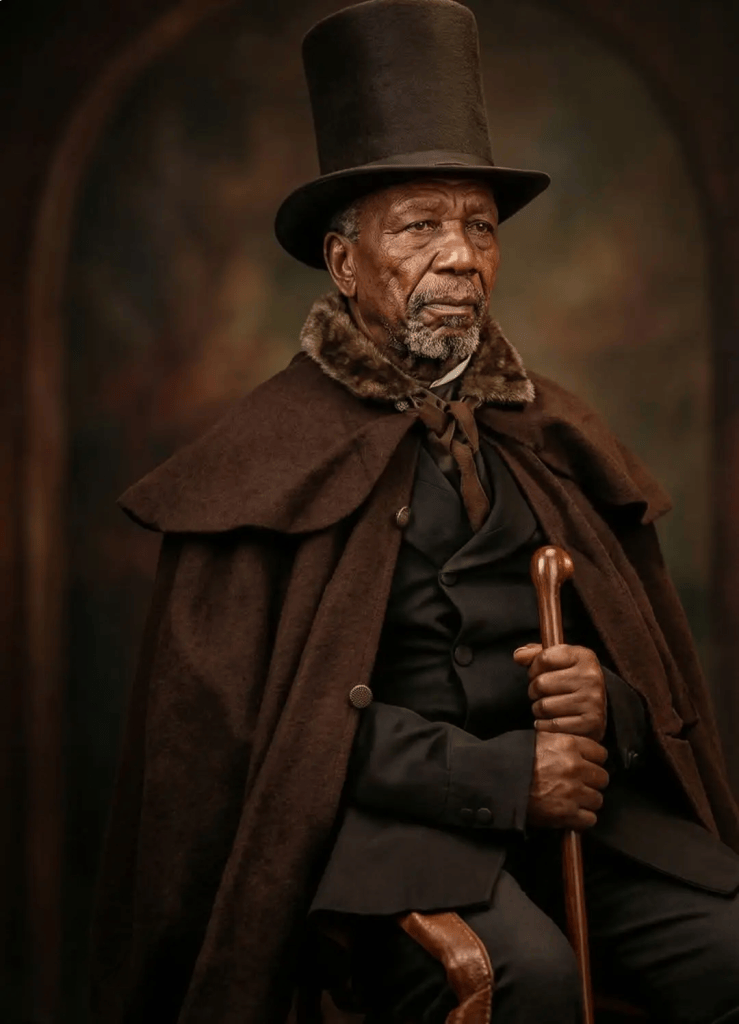
Moshoeshoe's Day Lesotho commemorations honour King Moshoeshoe I every 11 March, connecting visitors with Basotho history, heritage and national identity.
If you visit Lesotho on an ordinary day, you will see mountains, villages, Basotho blankets, horses, markets, modern Maseru and the dramatic landscapes that helped earn the country its famous description:
But visit around 11 March and many of those things begin to tell a deeper story.
Behind the country visitors see today is the story of a leader who helped bring communities together and lay the foundations of the Basotho nation:
King Moshoeshoe I.
Every year on 11 March, Lesotho commemorates Moshoeshoe's Day.
For Basotho, the day connects history, identity, leadership, heritage, unity and national memory.
For visitors, it offers something equally valuable:
Context.
It helps you understand why Thaba Bosiu matters.
Why Moshoeshoe's name appears throughout Lesotho.
Why stories of diplomacy and nation-building remain important.
Why Basotho cultural identity is so closely connected to history.
And why the best way to experience Lesotho is not simply to look at its mountains.
It is to understand the people whose story unfolded among them.
What Is Moshoeshoe's Day?
Moshoeshoe's Day is an annual national commemoration in Lesotho held on 11 March.
The day honours King Moshoeshoe I, founder of the Basotho nation.
Moshoeshoe I died on 11 March 1870, and the annual commemoration remembers his life, leadership and role in the formation of the Basotho nation.
Depending on the year and location, commemorations may include:
- Official ceremonies
- Wreath-laying
- Historical reflection
- Cultural activities
- Traditional clothing
- Community activities
- Educational programmes
- Music and performances
- Heritage activities
The exact programme can change from year to year.
The heart of the day, however, remains the same:
Remembering Moshoeshoe.
When Is Moshoeshoe's Day?
Moshoeshoe's Day is commemorated annually on 11 March.
If you are deliberately planning a cultural trip around the occasion, consider giving yourself more than one day.
That allows you to experience Maseru, Thaba Bosiu, cultural attractions and the wider historical story surrounding the commemoration instead of rushing through a single event.
Why 11 March?
This is one of the most important facts for visitors to understand.
King Moshoeshoe I died on 11 March 1870.
Moshoeshoe's Day commemorates that date.
It is therefore not simply a celebration of Moshoeshoe's birthday.
It is a national day of remembrance honouring his life, leadership, legacy and role in the formation of the Basotho nation.
Who Was King Moshoeshoe I?
King Moshoeshoe I was born in 1776 at Menkhoaneng in what is now Leribe District.
He was born Lepoqo, the son of Chief Mokhachane.
He would eventually become the leader remembered as Moshoeshoe I.
But understanding why his name matters requires understanding the world in which he lived.
A Region in Crisis
The early nineteenth century brought enormous upheaval across parts of Southern Africa.
Communities were displaced.
Conflict intensified.
People searched for security, land, food, leadership and protection.
Moshoeshoe emerged during this unstable period.
His challenge was not simply:
How do I defeat my enemies?
It was also:
How do I build something that survives?
That distinction helps explain his legacy.
A Different Kind of Strength
Moshoeshoe is remembered not only for military strategy.
His legacy is strongly associated with:
- Diplomacy
- Negotiation
- Strategic thinking
- Reconciliation
- Protection
- Alliance-building
- Nation-building
He understood that survival required more than winning battles.
It required people.
Communities seeking refuge could become part of something larger.
Former enemies could sometimes become allies.
Negotiation could achieve what fighting could not.
Protection could create loyalty.
Those qualities became important parts of the story of the Basotho nation.
Why Moshoeshoe's Leadership Still Matters
History becomes more interesting when it stops being only names and dates.
Moshoeshoe's story raises questions that remain relevant:
What makes a good leader?
Is strength only military?
When should a leader negotiate?
How do divided communities become one people?
How does a small nation survive between stronger powers?
Those questions make Moshoeshoe's story much bigger than the story of a king who lived long ago.
Thaba Bosiu: Where the Story Becomes Real
You can read about Moshoeshoe.
You can learn the dates.
But if you want to understand the geography of his story, Thaba Bosiu is one of the most important places to visit.
Located outside Maseru, Thaba Bosiu became Moshoeshoe's mountain stronghold and is deeply connected with the formation of the Basotho nation.
Today it remains one of Lesotho's most important historical and cultural landscapes.
For a history-minded visitor, this is where the story begins to become physical.
What Does “Thaba Bosiu” Mean?
The name is commonly translated as “Mountain at Night.”
The mountain became famous through history and tradition as the stronghold associated with Moshoeshoe and the Basotho nation.
But don't visit only because the name sounds mysterious.
Visit because the landscape helps explain the history.
Why Was Thaba Bosiu Important?
Look at the plateau and ask yourself:
If I needed to protect a community, why would this place matter?
Suddenly the landscape becomes part of the lesson.
Its elevated position provided strategic advantages.
The plateau dominates the surrounding landscape.
Thaba Bosiu became more than a settlement.
It became a stronghold.
And eventually, a national symbol.
The Basotho Nation Took Shape Here
Thaba Bosiu is widely recognised as central to the emergence of the Basotho nation during the nineteenth century.
That is why visiting it should not be treated as simply another mountain stop.
For Basotho history, this is foundational ground.
Moshoeshoe's Grave
Thaba Bosiu is also the burial place of King Moshoeshoe I.
Wreath-laying at his grave has formed part of official Moshoeshoe's Day commemorations.
That creates a direct connection between history and present-day national memory.
The nation does not merely read about Moshoeshoe.
It returns to the landscape associated with him.
Visiting Thaba Bosiu Around Moshoeshoe's Day
If your visit coincides with the commemoration, the location may carry additional activity and significance.
Remember, however, that this is not simply a tourist attraction.
It is a place connected with national memory, heritage, burial, identity and cultural importance.
Behave accordingly.
Current opening arrangements, visitor access and any Moshoeshoe's Day programme should be checked before travelling.
Thaba Bosiu Cultural Village
Visitors can also explore the cultural tourism experience associated with Thaba Bosiu.
Depending on current operations and programmes, the broader experience can help visitors engage with:
- Basotho architecture
- Cultural displays
- History
- Local heritage
- Basotho identity
This can be particularly useful for international visitors who want more context before or after exploring the historic landscape.
What Happens on Moshoeshoe's Day?
There is no guarantee that every year follows exactly the same programme.
Previous commemorations have included different combinations of formal ceremonies, wreath-laying, cultural activities, educational programmes and community events.
Official Ceremonies
National leaders and dignitaries may participate in formal commemorations.
Wreath-Laying
Wreath-laying at Moshoeshoe I's grave at Thaba Bosiu has been an important commemorative activity.
Cultural Activities
Communities and organisations may arrange activities celebrating Basotho identity and heritage.
Educational Programmes
Schools, organisations and cultural groups may use the period to teach younger generations about Moshoeshoe.
Community Activities
Activities can extend beyond the principal national ceremony.
The key phrase is:
May include.
Programmes and public activities vary by year.
Always check current official information if you are travelling specifically to attend an event.
Moshoeshoe's Day in Modern Maseru
One of the most interesting things about national commemorations is how history enters modern life.
Official remembrance may take place at Thaba Bosiu while schools, cultural organisations, families and communities recognise the occasion in their own ways.
That tells visitors something important:
Heritage does not live only in museums.
It lives in communities.
The Moshoeshoe Walk
For travellers interested in heritage tourism, there is another important event connected with Moshoeshoe's legacy:
The Moshoeshoe Walk.
The annual commemorative walk traces the historic journey associated with Moshoeshoe from Menkhoaneng to Thaba Bosiu.
The event covers approximately 116 km over three days.
Why Does the Moshoeshoe Walk Matter?
Imagine learning history not only from a textbook, but step by step.
The walk commemorates the historic journey associated with Moshoeshoe's movement toward Thaba Bosiu during the upheavals of the nineteenth century.
Participants physically cross part of the landscape connected with the formation of the Basotho nation.
That turns history into experience.
This Is Not an Ordinary Sightseeing Walk
Approximately 116 km over three days is substantial.
Anyone considering participation should treat the event seriously.
Planning may involve:
- Physical preparation
- Current registration requirements
- Accommodation arrangements
- Food
- Hydration
- Clothing
- Weather
- Transport
- Event logistics
Do not arrive simply because it sounds like a pleasant cultural stroll.
Prepare for the actual event and follow the current organiser's requirements.
Who Participates in the Moshoeshoe Walk?
The event attracts a mixture of local and international participants, including people interested in culture, history, heritage and the physical challenge itself.
For some, it is physical.
For others, historical.
For others, cultural.
And for many, all three.
Menkhoaneng: Where the Story Begins
Moshoeshoe was born at Menkhoaneng.
That means travellers interested in following his story can think beyond one destination.
There is:
Menkhoaneng — origin
then the journey and process of nation-building,
then:
Thaba Bosiu — stronghold
and finally:
11 March — remembrance.
Suddenly Moshoeshoe's history becomes a travel route.
Travel Can Make History Easier to Understand
A date in a book can feel distant.
A place does not.
Stand at Thaba Bosiu.
Look across the landscape.
Imagine communities moving through that terrain without cars, modern roads, weather apps or mobile phones.
History becomes physical.
That is one reason cultural travel can be so powerful.
Basotho Blankets on Moshoeshoe's Day
Visitors may see Basotho blankets and other forms of traditional dress during commemorative and cultural activities.
Do not look at the blanket only as clothing.
It can communicate identity, belonging, heritage, occasion and cultural pride.
Moshoeshoe's Day can provide an opportunity to see this important Basotho cultural symbol within a broader national context.
The Mokorotlo
Another symbol visitors frequently associate with Lesotho is the mokorotlo.
The distinctive Basotho hat has become one of the country's most recognisable national symbols.
When exploring Basotho heritage, look beyond the souvenir.
Ask what the object represents.
How did it become associated with national identity?
Why do visitors immediately connect its shape with Lesotho?
That curiosity transforms shopping into cultural learning.
Music and Dance
Traditional performance can form part of cultural commemorations and community activities.
For visitors, it is worth looking beyond entertainment.
Music and dance can carry history, social meaning, community identity, praise, memory and storytelling.
Watch first.
Understand second.
Photograph third.
Ask Before Photographing
National celebrations can produce extraordinary photographs.
But not every cultural moment exists for your camera.
Ask before taking close photographs of individuals where appropriate.
Be especially respectful during:
- Ceremonies
- Prayer
- Wreath-laying
- Burial-site visits
- Private community moments
Sometimes the best cultural travel decision is to put the phone down and experience what is happening.
What Should Visitors Wear?
You do not need to dress in Basotho traditional clothing to show respect.
Choose clothing that is:
- Neat
- Comfortable
- Weather appropriate
- Respectful
If you choose to wear Basotho clothing, do so respectfully rather than treating it as a costume.
Learn a Few Sesotho Words
Small effort can change an interaction.
Lumela — Hello.
Khotso — Peace.
Kea leboha — Thank you.
You do not need perfect Sesotho.
Respect is more important than performance.
Things to Do Around Maseru During Moshoeshoe's Day
A strong cultural itinerary should not depend on one ceremony.
Build the wider story around the commemoration.
Visit Thaba Bosiu
If your trip is centred on Moshoeshoe's history, Thaba Bosiu should be a priority.
Take time to understand the landscape rather than treating it as a quick photo stop.
Explore Thaba Bosiu Cultural Village
Use the broader cultural experience to add context to the historical landscape, subject to current visitor arrangements.
Visit Morija
Morija is another important centre of Lesotho's historical and cultural heritage.
Depending on current opening arrangements, a visit can include Morija Museum & Archives and other aspects of the area's mission, literary and cultural history.
Explore Maseru
Modern Lesotho matters too.
Spend time discovering restaurants, markets, shops and other parts of the capital.
History becomes more meaningful when you also understand the country it helped produce.
Try Basotho Food
Cultural travel should involve taste.
Look for opportunities to experience foods such as:
- Papa
- Moroho
- Motoho
- Meat dishes
- Homemade breads
- Other local preparations
Food tells stories too.
Learn About Basotho Blankets
Do not simply buy one.
Learn about designs, wearing styles, cultural meaning and history.
Then your souvenir has a story.
Visit Local Markets
Markets can introduce visitors to crafts, food, clothing, local products and entrepreneurs.
Spend locally where appropriate.
A Moshoeshoe's Day Cultural Weekend
Day 1 — Arrive in Maseru
Check in.
Settle in.
Explore Maseru.
Try a local restaurant.
Spend some time learning about Moshoeshoe before visiting Thaba Bosiu.
Day 2 — Thaba Bosiu
Travel to Thaba Bosiu.
Learn the history.
Explore the wider cultural experience according to current visitor arrangements.
Spend time understanding the landscape.
If current Moshoeshoe's Day activities are taking place, follow official visitor guidance.
Return toward Maseru later in the day.
Eat.
Rest.
Day 3 — Morija and Culture
Visit Morija according to current opening arrangements.
Explore its historical and cultural heritage.
Return to Maseru.
Your trip has now connected Moshoeshoe, Thaba Bosiu, Morija and modern Lesotho.
A 5-Day Heritage Itinerary
A longer trip can give the story more room.
Day 1 — Maseru
Arrive and explore the capital.
Day 2 — Thaba Bosiu
Focus on Moshoeshoe's history and the landscape.
Day 3 — Current Moshoeshoe's Day Activities
Attend appropriate public activities after confirming the current programme and access arrangements.
Day 4 — Morija
Explore more of Lesotho's historical and cultural heritage.
Day 5 — Markets, Food and Departure
Spend time with modern Basotho culture before continuing your journey.
This is better than trying to turn one public holiday into an entire understanding of Lesotho.
Give the country time.
Travelling With Children
Moshoeshoe's Day can become an excellent educational travel opportunity.
But children do not necessarily need a three-hour history lecture.
Give them questions instead.
Ask:
- Why do you think Moshoeshoe chose a mountain stronghold?
- How would people have moved food and supplies without modern transport?
- Why might diplomacy sometimes work better than fighting?
- What makes people decide they belong to one nation?
- What can leaders today learn from history?
Now the child is not simply listening to history.
They are thinking about it.
For International Visitors
Do not worry if you arrive knowing very little about Moshoeshoe.
Start with curiosity.
Ask:
Who was he?
Why does Lesotho remember him?
Why does Thaba Bosiu matter?
What happened here?
What qualities are associated with his leadership?
Good cultural travel begins with questions.
For South African Visitors
Lesotho is geographically surrounded by South Africa.
But do not mistake proximity for sameness.
Crossing the border brings you into another country with its own national history and cultural identity.
Moshoeshoe's Day provides an opportunity to understand that history more deeply.
Before travelling, check current border, entry and vehicle requirements applicable to your journey.
For History Lovers
Do not limit your trip to one site.
Build the story geographically.
Menkhoaneng — Moshoeshoe's birthplace.
Thaba Bosiu — his stronghold and burial place.
Morija — an important centre for historical records and cultural heritage.
Maseru — the modern capital of the country that emerged from that history.
Now the itinerary becomes a narrative.
For Photographers
Moshoeshoe's Day and related heritage travel can offer opportunities to photograph:
- Thaba Bosiu
- Traditional clothing
- Landscapes
- Cultural performances where photography is permitted
- Architecture
- Community gatherings
- Basotho blankets
- Heritage sites
But cultural photography requires:
Consent + context + respect.
A technically perfect photograph obtained disrespectfully is still a bad travel photograph.
For Educational Travellers
Moshoeshoe's story connects naturally with subjects such as:
- African history
- Leadership
- Diplomacy
- Nation-building
- Geography
- Cultural identity
- Political history
- Conflict resolution
That can make Moshoeshoe's Day particularly interesting for students, teachers, families, researchers and educational groups.
Lion Guard Travel Tip — Learn Before You Visit
Don't visit Thaba Bosiu without first learning who Moshoeshoe was.
Even a short period of reading can transform the experience.
Without context, you see a mountain.
With context, you begin to see a defensive position, political centre, place of refuge, royal burial place and landscape connected with the formation of a nation.
Context changes what you see.
Where Should You Stay for Moshoeshoe's Day?
For travellers whose itinerary centres on Maseru, Thaba Bosiu, Morija, markets, restaurants and nearby cultural attractions, Maseru can be a practical accommodation base.
Lion Guard Guest House is located in Ha-Matala, Maseru, approximately 7 km from Maseru CBD.
That allows visitors to make Lion Guard part of a wider cultural itinerary rather than trying to build the entire trip around one public event.
Why Stay at Lion Guard Guest House?
Cultural travel can mean long days.
You might spend hours walking, driving, learning, photographing, talking and exploring.
Then you need somewhere comfortable to return to.
Lion Guard offers:
- Private bathroom
- Reliable hot water
- Free Wi-Fi
- In-room fridge
- Table and chair
- Secure enclosed parking
- Daily housekeeping
- Heater during colder weather
- Electric blanket
- Direct guest communication
These practical comforts can support international visitors, couples, families, business travellers extending a trip, cultural travellers and South African road-trippers.
Use Wi-Fi to Make Your Cultural Trip Better
Wi-Fi is not only for entertainment.
Use it to:
- Read about Moshoeshoe
- Check current event announcements
- Research Thaba Bosiu
- Plan a Morija visit
- Check weather
- Learn a few Sesotho words
Your phone can either distract you from the destination or help you understand it.
Travelling by Car
If you are driving, plan your route before leaving.
Check current:
- Road conditions
- Weather
- Fuel
- Event-related traffic information
- Parking arrangements
- Opening and access information
National events can affect traffic and access.
Do not assume an event day will operate exactly like an ordinary day.
Plan Accommodation Early
If you are intentionally travelling for Moshoeshoe's Day, avoid leaving accommodation planning until the last moment.
National commemorations can create additional movement around key locations.
Make your arrangements and confirm them before travelling.
Check Before You Go
Before visiting a particular ceremony or cultural activity, confirm:
- Date
- Time
- Location
- Public access
- Parking
- Photography rules
- Weather
- Road conditions
- Programme changes
The annual commemoration date is predictable.
The exact programme is not.
Respecting Thaba Bosiu
When visiting, do not:
- Litter
- Damage structures
- Remove objects
- Enter restricted areas
- Disturb graves
- Interrupt ceremonies
- Treat culturally important spaces like amusement attractions
Instead:
- Listen
- Ask respectful questions
- Follow guides and instructions
- Support local tourism
- Learn
Cultural Tourism Should Give Something Back
A cultural destination is not simply content for social media.
Spend locally where appropriate.
Consider supporting:
- Local guides
- Local food businesses
- Craftspeople
- Cultural attractions
- Community businesses
Travel works best when it creates exchange rather than simple consumption.
Moshoeshoe's Day Lesotho | 9 Visitor Mistakes to Avoid
Thinking It Is Moshoeshoe's Birthday
Moshoeshoe's Day commemorates 11 March, the date of his death.
Expecting the Same Programme Every Year
Public activities and programmes can change.
Check current information.
Visiting Thaba Bosiu Without Context
Learn some of the history first.
It changes what you see.
Treating Cultural Clothing as Costume
Respect its cultural meaning.
Photographing Everyone Without Asking
People are not attractions.
Only Visiting Maseru
If Moshoeshoe's history is the purpose of your trip, make time for Thaba Bosiu.
Only Visiting Thaba Bosiu
A wider itinerary can also include Morija and modern Maseru.
Arriving Without Checking Current Event Information
Verify the programme and visitor arrangements first.
Rushing
History needs time.
Frequently Asked Questions
What Is Moshoeshoe's Day in Lesotho?
Moshoeshoe's Day is an annual national commemoration honouring King Moshoeshoe I, founder of the Basotho nation. It is observed on 11 March.
When Is Moshoeshoe's Day Commemorated?
Moshoeshoe's Day is commemorated every 11 March.
Why Is Moshoeshoe's Day on 11 March?
King Moshoeshoe I died on 11 March 1870. The annual commemoration marks the date of his death and honours his life and legacy.
When Was King Moshoeshoe I Born?
The historical source used for this guide records Moshoeshoe I as having been born in 1776 at Menkhoaneng. Published sources are not completely consistent on his birth year, so visitors researching his biography may encounter a different year in some accounts.
Who Was King Moshoeshoe I?
King Moshoeshoe I was the founder of the Basotho nation. He is particularly remembered for leadership, diplomacy, strategic thinking and his role in bringing communities together.
Where Is King Moshoeshoe I Buried?
King Moshoeshoe I is buried at Thaba Bosiu, the historic stronghold deeply connected with Basotho national history.
What Happens on Moshoeshoe's Day?
Activities vary by year. Commemorations may include official ceremonies, wreath-laying, cultural activities, educational programmes and community gatherings.
Check the current programme before travelling specifically for an activity.
Can Tourists Attend Moshoeshoe's Day Events?
Some public activities may be accessible to visitors, but access depends on the particular event and current arrangements.
Confirm visitor information before attending formal ceremonies.
What Is the Moshoeshoe Walk?
The Moshoeshoe Walk is an annual approximately 116 km, three-day commemorative journey following the historic route associated with Moshoeshoe from Menkhoaneng to Thaba Bosiu.
Current participation, registration and logistical requirements should be checked before taking part.
Is Moshoeshoe's Day Good for Families?
It can provide an educational opportunity for families interested in history, culture, leadership and Basotho heritage.
Parents should choose activities appropriate for their children's ages and interests.
Where Should I Stay When Exploring Moshoeshoe's Heritage Near Maseru?
Visitors exploring Maseru and Thaba Bosiu can use Maseru as a practical accommodation base.
Lion Guard Guest House in Ha-Matala is approximately 7 km from Maseru CBD and can form part of a wider cultural itinerary around the capital.
Experience the Story Behind the Country
Visitors often arrive in Lesotho because of the mountains.
They often leave remembering the people.
And somewhere between those two experiences, they begin to understand the story.
Moshoeshoe's Day offers an opportunity to look beyond scenery, photographs, souvenirs and sightseeing.
It asks a deeper question:
How did this nation come to be?
The answer leads you to a leader.
A journey.
A mountain.
A community.
A stronghold.
A nation.
And more than 150 years after Moshoeshoe I's death, a people who still remember.
So when you stand at Thaba Bosiu, do not simply look at the view.
Look at the landscape and imagine people arriving, families seeking protection, leaders negotiating, communities forming and a nation beginning to take shape.
Then the mountain changes.
It is no longer simply something to photograph.
It becomes:
A story you can stand inside.
Discover the mountains. Understand the history. Experience Lesotho.
One of the greatest advantages of staying in Maseru is that you can experience both modern city comforts and Lesotho's natural beauty without spending hours on the road. From ancient dinosaur footprints and traditional Basotho culture to breathtaking waterfalls and high-altitude mountain passes, there's something for every type of traveller.
At Lion Guard Guest House, our convenient location in Ha-Matala provides easy access to many of these attractions while offering a comfortable place to relax after a day of exploration. Whether you're planning a weekend escape or an extended stay, these destinations deserve a place on your itinerary. These places to visit near Maseru range from historical and cultural attractions to mountain landscapes, dams and outdoor adventures.